
The OG Never Really Left: How OG Continues to Be a California Cannabis Icon
The OG Never Really Left: How OG Continues to Be a California Cannabis Icon
Doctor Reefer
September 29, 2026
No items found.
OG became one of the most recognizable names in cannabis. Discover how OG culture shaped California cannabis and why its genetics still matter today.
Ask someone who has been around cannabis long enough to name a few classic strains. You'll probably hear: OG.

And that's not surprising. Few names have had the staying power of OG. It became a strain name. Then a family of genetics. Then a flavor profile. Then an entire aesthetic. Today, you can find "OG" attached to countless cannabis products. But how did those two letters become such a permanent part of cannabis culture? And why are people still chasing OG genetics decades later?
Before Cannabis Had Hundreds of Names
Modern dispensary menus can feel like a genetics encyclopedia. There are dessert strains. Candy strains. Fruit strains. Gas strains. Crosses of crosses of crosses. But the cannabis world wasn't always this complicated. Classic names like OG Kush helped establish the idea that a particular cultivar could have an identity of its own. Consumers didn't just want "weed." They wanted that weed. And eventually, they started asking where it came from.

OG Became More Than a Strain
OG’ Kush exact origins remain a subject of cannabis lore and differing accounts. One well-known history places an important OG Kush cutting in Southern California in the 1990s, with stories involving growers and the preservation and circulation of a particular cut.

Other accounts differ on the plant's deeper genetic origins. Even the meaning of "OG" has been debated over the years. And maybe that's part of what made OG so fascinating. It wasn't just a product. It had a story. People passed around cuts. Growers preserved genetics. Smokers recognized particular expressions. And the name traveled.
Then OG Started Having a Family
This is where cannabis genetics gets really interesting. Once a particular cultivar becomes desirable, breeders don't simply leave it alone. They start asking: "What happens if we cross it with this?" And then: "What if we cross that result with something else?"
Suddenly, one famous genetic line can inspire dozens — sometimes hundreds — of descendants and related cultivars.

Ghost OG is a great example. It's commonly described as an OG Kush phenotype or "Ghost" cut, with sources documenting its association with OG Kush genetics and a characteristic citrus, pine and earthy profile. The exact historical lineage is not perfectly settled across sources, which is part of the reason OG stories continue to generate so much debate.
What Makes an OG Feel Like an OG?
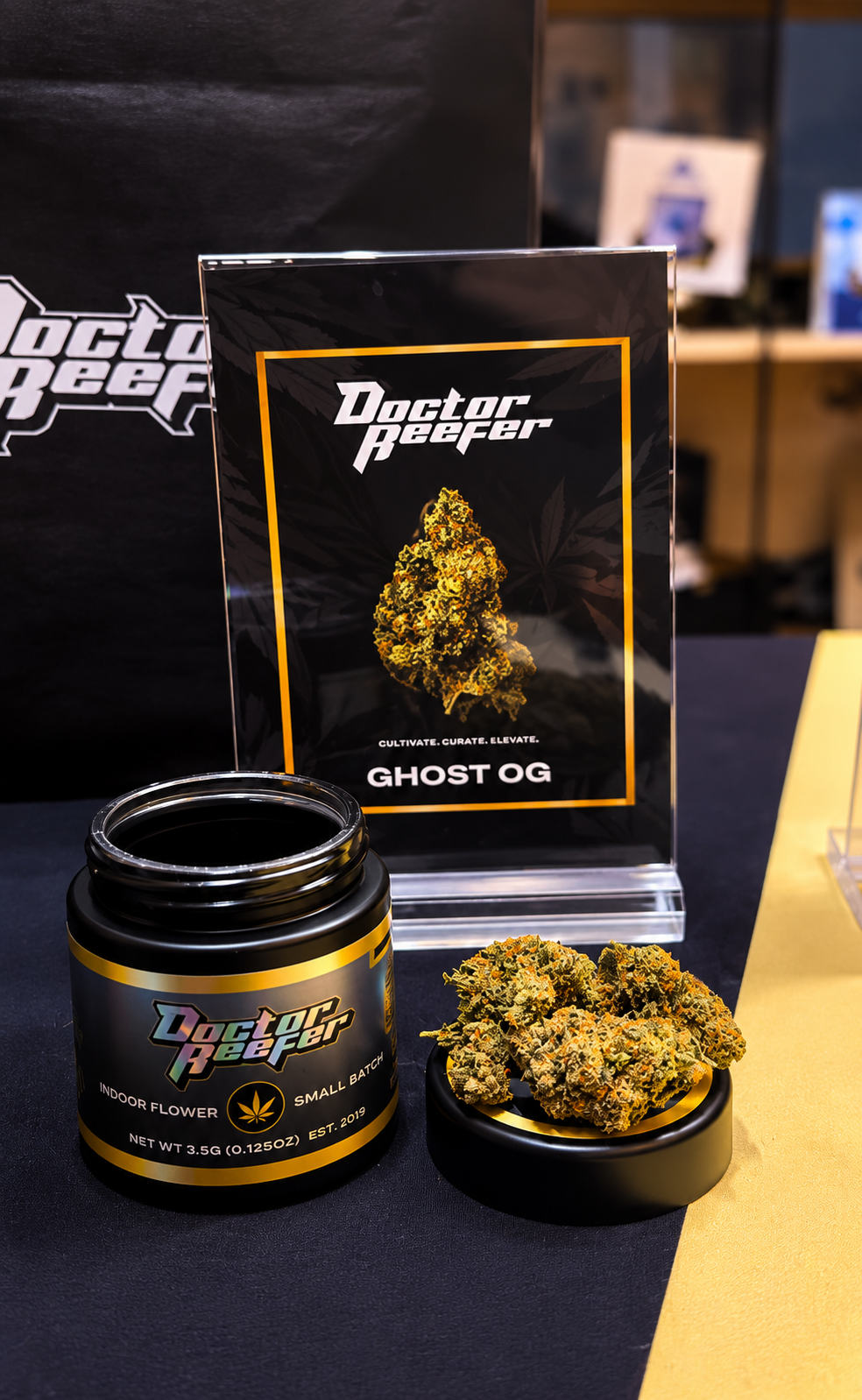
Part of the answer is genetics. But genetics aren't the only reason people recognize a cultivar. There is also the sensory experience. That familiar combination of:
● pine
● citrus
●earth
●fuel
Those notes show up repeatedly in descriptions of classic OG expressions. It's one of the reasons the OG profile became so recognizable. You can walk into a room, catch a certain aroma, and immediately think: "That's OG."
The Frost Factor
Then there's the visual side. OG genetics became famous not only for their aroma but for flower that could carryserious resin and trichome coverage.
Ghost OG in particular is frequently described by cannabis sources as being notably frosty and resin-rich. And that brings up another reason cannabis culture became so obsessed with specific cultivars:
● The appearance became part of identity.
● The way the flower looked.
● The way it smelled.
● The way it smoked.
● The story behind it.
All of those details became part of what made a particular cut worth remembering.

Ghost OG: A Modern Look at an Old-School Legacy
That's where a strain like Ghost OGfits naturally into the conversation.It's not interesting simply because thename contains "OG."It's interesting because it representssomething bigger: the preservationand evolution of classic cannabisgenetics.The profile commonly associated withGhost OG — citrus, pine, earth and astrong resin presence — feels verydifferent from some of today'saggressively dessert-forward orcandy-inspired cultivars.And that contrast is exactly whatmakes it worth talking about.Modern cannabis didn't erase the classics. It built on them.
The OG Never Really Left
This is where cannabis culture gets misunderstood. Every new generation gets its own favorites. One era loves OG. Another loves Cookies. Another loves Runtz. Another wants exotic fruit and candy profiles. But new doesn't automatically mean better. And old doesn't automatically mean better either. They're different expressions of where cannabis culture is at that moment. OG's staying power simply proves that some genetics have enough character to remain relevant long after the hype cycle moves on.
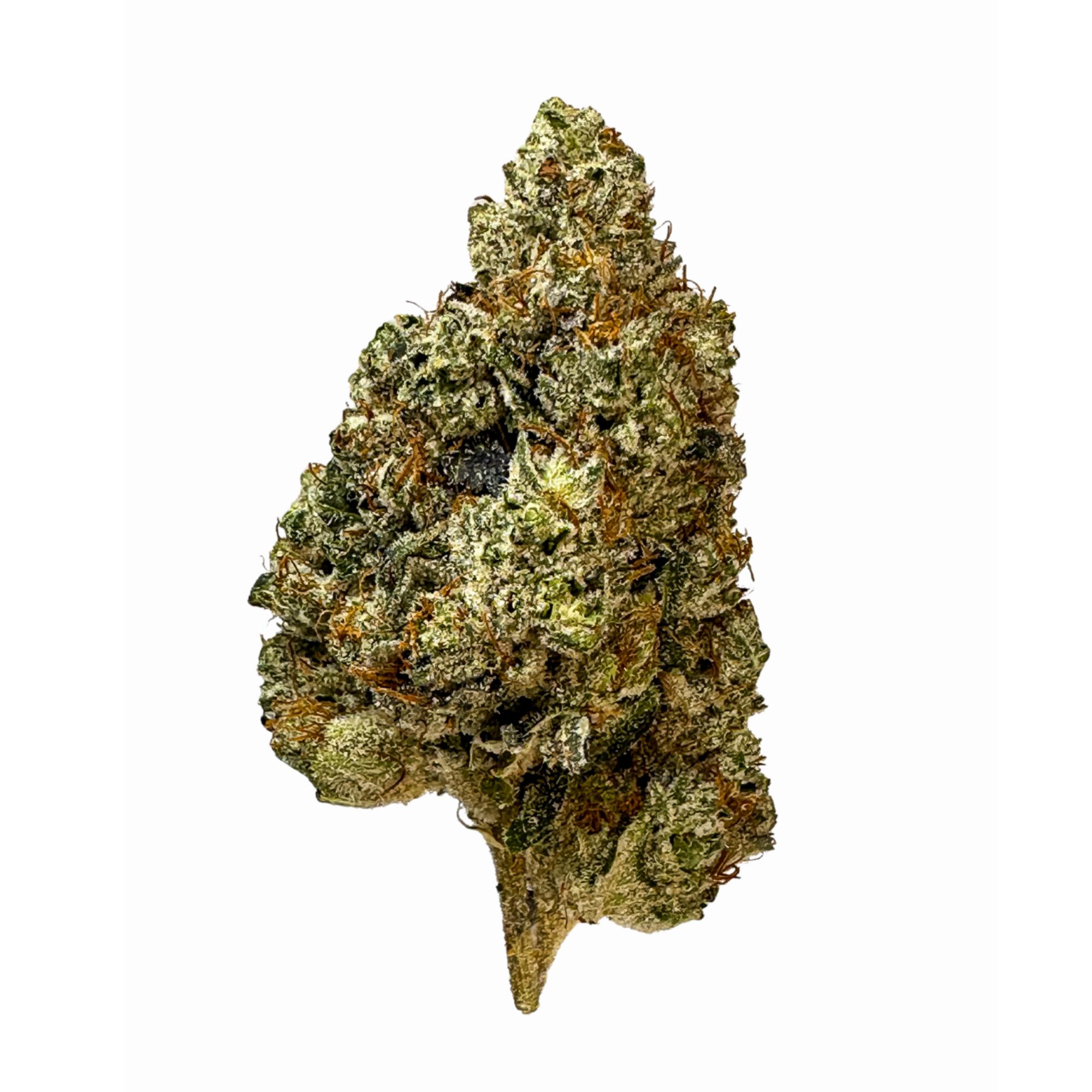
And even the cannabis world continues to create new strains, another flavor, another cross or another name taking over the menu. But OG?
OG isn't just another name on the list anymore. It's part of the history. And strains like Ghost OG show why those older genetics continue to have a place in today's cannabis culture. The names may change. The genetics may evolve. But the classics never really disappear. They become part of what comes next.
Doctor Reefer Takeaway
At Doctor Reefer, we believe cannabis is more interesting when you know the storybehind the flower.Ghost OG is one of the classic OG expressions featured in our lineup — a nod tothe genetics and culture that helped shape the cannabis experience.